TARZAN VINES
The Amazing World of Lianas
Author: Jack Ewing
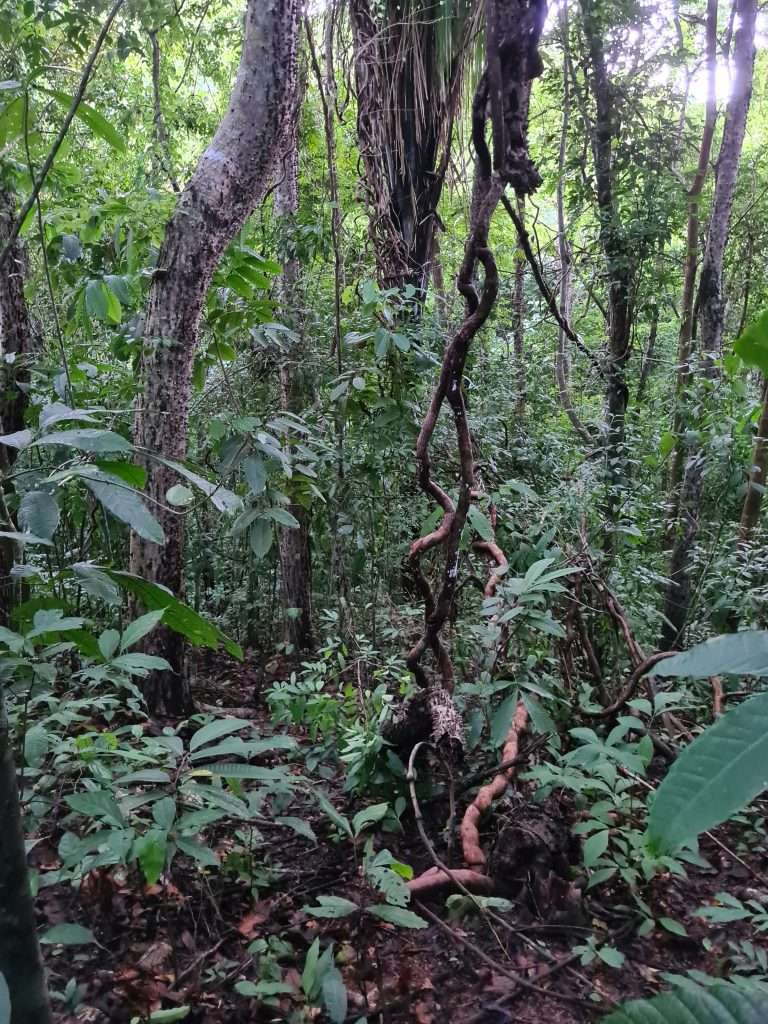
“Hey, look at this. These are cool”, I exclaimed to my hiking buddy. “Look how this one wraps around that tree and then up over that big branch. It looks like a bunch of vines twisted together to make a big rope. Hey, ya know what,” I joked, “this must be what Tarzan swings on.”
How can you see something countless times yet never even notice it? During the 48 years that I have lived on Hacienda Barú, including 11 years guiding tree climbing tours, spending untold hours in the upper canopy, watching monkeys, sloths, and squirrels use them as walkways, birds perch on them, and even having sat on them myself from time to time.
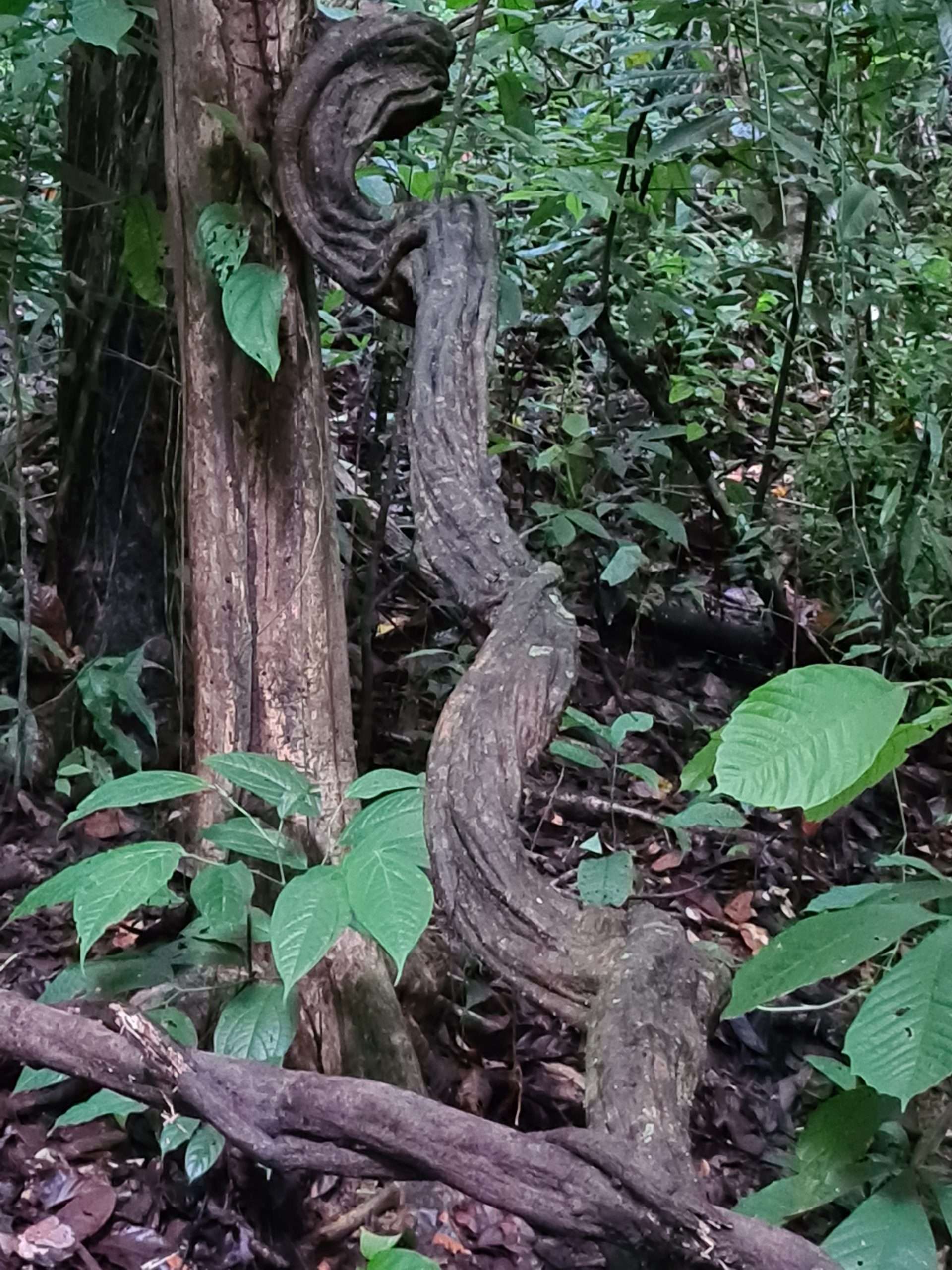
Yet, I never really saw them until now. I am talking about lianas, and they are fascinating. If you don’t believe me, try the following one, try to figure out where it begins and where it ends. It will go up and down, wrap around trees, wrap-around itself, send tendrils down to the ground where they take root. Tangles of small lianas come together and twist around each other to form a rope-like stem. Lianas use trees for support, and step by step, climb upwards until they find a sunny opening where they can send a shoot up through the rainforest canopy and emerge into the direct sunlight. And it doesn’t end there. The main branch of the liana can go on for a kilometer or more.
One researcher estimates that there are around 2500 species of lianas globally, most of them without names. To name a plant, you need samples of the stem, leaf, fruit, and seed. The stem is easy enough, but until someone invents a drone with an arm that can reach out, grasp, cut, and retrieve the later three samples, there is no easy way of acquiring these details.

Lianas have been called woody vines, yet unlike woody branches, they are usually pretty flexible. They can, however, become rigid when necessary. I know of two places where a liana stretches across a gap. How it managed to cross a 15-meter rainforest gap, only Mother Nature knows. Right in the sunniest part of this natural bridge, a stiff, straight shaft-like stem, no bigger in diameter than my ankle, grows straight up, 10 to 15 meters, until it comes out into the direct sunlight. At the top grow the leaves, flowers, and fruit. Mostly birds eat the fruit and scatter the seeds throughout the jungle, where some of them will germinate. Mammals eat them too, but the vertical stem probably wouldn’t support a mammal the size of a monkey.
Costa Rica Free Magazine 102 Whales Season
With our usual enthusiasm, we proudly present digital edition #102 of Ballena Tales Free Magazine.

Green and Clean Home Maintenance Inside and Out
Home maintenance requires a lot of time, and in today’s fast-paced world, the demands of professional responsibilities and family life leave little room for it.

Fractional Plasma: A Modern Approach to Skin Renewal
Fractional plasma rejuvenation uses ionized gas or plasma to deliver controlled thermal energy to the skin
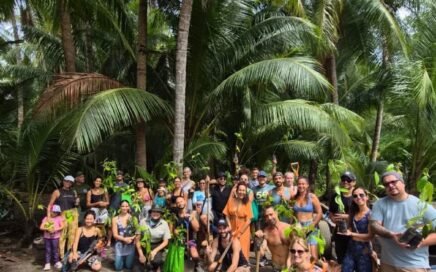
Restoring Nature with GrandiOSA
Grandiosa Costa Rica has a clear goal: to plant 4.000 trees per year. In the Osa region, such reforestation efforts occur regularly, with an average of about 100 trees planted per event
Ancestral Beauty More Than a Store, A Living Community
Located in the heart of Uvita, Ancestral is not just a boutique. A place for the community – something invisible begins to awaken.
Neuroplasticity and Migration
Neuroplasticity and Migration: The Science Behind Your Brain’s Remarkable Adaptation By Dra. Nikole Solano Vargas A Medical Perspective on What Really Happens When You Move to a New Country Have you ever stood in line […]
What to do, Where to eat and Where to stay…
South Pacific Costa Rica Beaches
Looking for business directories, maps or other printouts? We’ve got that too!
Dare to Discover and Enjoy…
Check out…
Need help planning your next trip to Costa Rica? We look forward to help you!
Email: carlos@ballenatales.com
Phone: +(506) 8946 7134 or +(506) 8914 1568