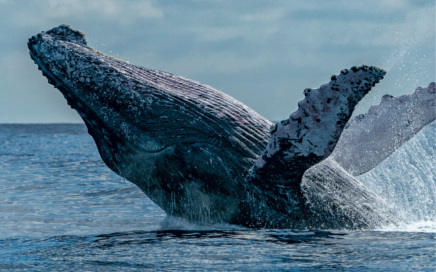
Reasons for not eating Ceviche Made of Shark?
by Cesar Barrio Amorós
A healthy natural system is expected to possess five “consumer” categories. For example, in the ocean, the first stage of the food pyramid is the phytoplankton, microscopic algae, which is eaten by zooplankton, tiny microscopic animals either in their larval, juvenile, or adult stages, which are then consumed by shellfish, corals, mollusks, and small filtering fish. Above them are carnivores, basically predators and cetaceans.
At the very top of the pyramid are the super predators, basically sharks and orcas. Currently, global overfishing is mainly affecting predators (tuna and other fish that we eat every day, marlin, mahi mahi, swordfish, snapper, and sea bass) and filtering fish, such as crustaceans and shrimp. The most affected are the top predators, specifically sharks which are responsible for keeping the system clean and healthy.
They feed on sick animals and carrion and also accumulate all toxins of the food pyramid, especially mercury. Apart from this, sharks cannot excrete urea as mammals, by urinating. Their “urine” is eliminated through the blood, so there is a high amount of uric acid in their flesh. Basically, shark meat is toxic!
In Costa Rica “ceviche” and even shark steaks (bolillo in Spanish) are very popular. Bolillo is the denomination applied to several sharks caught without regard, trapped in gillnets and longlines. Very affected is the endangered hammerhead shark, which comes to Costa Rica’s Pacific coast for breeding. Costa Rica, with principles based on ecology, should be the first in the world to categorically prohibit shark fishing of any kind, thereby setting an example for the rest of the planet.
Without sharks, there will be no healthy fish or oceans for future generations.
Ballena Tales is an essential free digital magazine in Costa Rica, valid for travelers, residents, and investors covering Costa Ballena in the Canton of Osa in the South Pacific of Costa Rica. It is a fully bilingual, bi-monthly, and full-color digital magazine.
The magazine introduces the reader to the life of the local community, with interviews of pioneers, writers, and artists, as well as extensive information on restaurants, hotels, experiences, natural attractions, and wildlife of the South Pacific of Costa Rica.
We are not just a magazine; each edition (print and digital) is linked to a robust web platform; the editions are published online, and the advertorials are included in our blog and the brand in the commercial directory. We also add links to the advertising company's website and social networks. At this time, the openings of digital publications in all their expressions exceed 80 thousand openings, and the advertised brands have a global reach.
We have a loyal audience of over 8,000 readers in the South Pacific's Costa Ballena region who will view your news in each printed edition.
We prioritize our readers' satisfaction by delivering a variety of engaging content while showcasing the value of our advertisers' brands.
Costa Rica Free Magazine 102 Whales Season
With our usual enthusiasm, we proudly present digital edition #102 of Ballena Tales Free Magazine.
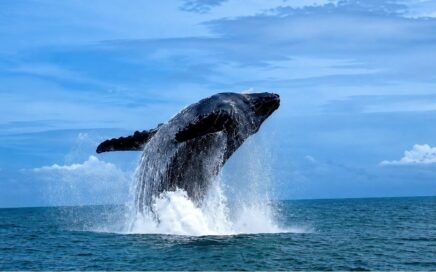
Whale and Dolphin Festival at Marino Ballena National Park
Every year, the waters of the Costa Rican Pacific come alive with the Whale and Dolphin Festival, held near Marino Ballena National Park in Uvita
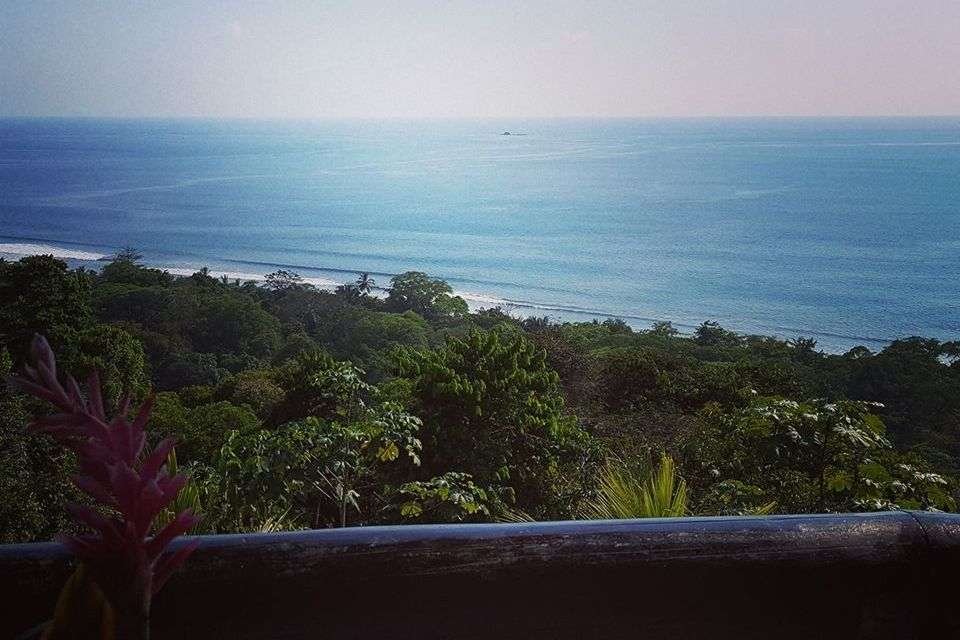
Capturing The Essence of Culture and Community on The Coast
Capturing The Essence of Culture and Community on The Coast Whether on land, undersea, or in the air, photographer Brad Dean will likely be found in full focus behind the lens of his camera. Having […]
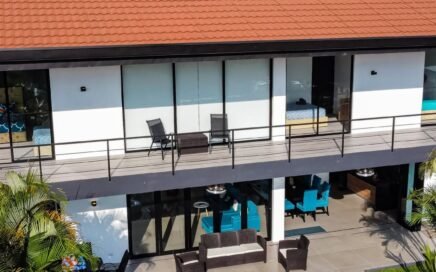
Green and Clean Home Maintenance Inside and Out
Home maintenance requires a lot of time, and in today’s fast-paced world, the demands of professional responsibilities and family life leave little room for it.

Fractional Plasma: A Modern Approach to Skin Renewal
Fractional plasma rejuvenation uses ionized gas or plasma to deliver controlled thermal energy to the skin
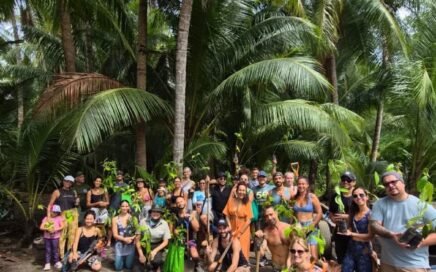
Restoring Nature with GrandiOSA
Grandiosa Costa Rica has a clear goal: to plant 4.000 trees per year. In the Osa region, such reforestation efforts occur regularly, with an average of about 100 trees planted per event
What to do, Where to eat, and Where to stay…
- Activities and Tours
- Whale Watching Tour
- Natural Attractions
- Marino Ballena National Park
- Restaurants
- Hotels and Accommodations
South Pacific Costa Rica Beaches,
Looking for business directories, maps or other printouts? We’ve got that too!
Dare to Discover and Enjoy…
Check out…
Need help planning your next trip? Let us help you with your Costa Rica vacations!
Email: carlos@ballenatales.com
Phone: +(506) 8946 7134