Wild Animals Have Social Bubbles
By Jack y Natalie Ewing
When 2019 came to an end, the world had not put the words “Social” and “Distancing” or “Social” and “Bubble” together. In less than six months, most of the world has adapted in one way or another to prudent social distancing and to stay within our social or family bubble. The practice of staying near home within one´s territory, and socialize only with close family members, is something that wildlife does all of the time.
The collared peccary marks their territories and live in small herds that rarely exceed 15 individuals. Troops of monkeys are about the same size, and also territorial. Puma males, females, and grown cubs are seen alone and always within their territory. For all three of these species, the boundary defines the limits of the “Social Bubbles.” All wild animals have some form of “Social Bubble,” and seldom do you see a sick one.
About 15 years ago, before the coastal highway was built, there was a roadside fruit stand north of the Barú River bridge. Coatis started hanging around there, at first eating discarded fruit, and later an occasional banana that the owner or a customer would feed it. People learned that they could see them there and bought bananas to feed them. Large numbers of coatis got into the habit of going to the location to get fed. The lure of free food was too much, and all social distancing was forgotten. It wasn’t unusual to see as many as 50 coatis at a time feeding or begging for food.

After a couple of months, some of the coatis started looking sickly, and a month after that, they were all dead, as a consequence of leaving their “Social Bubbles”
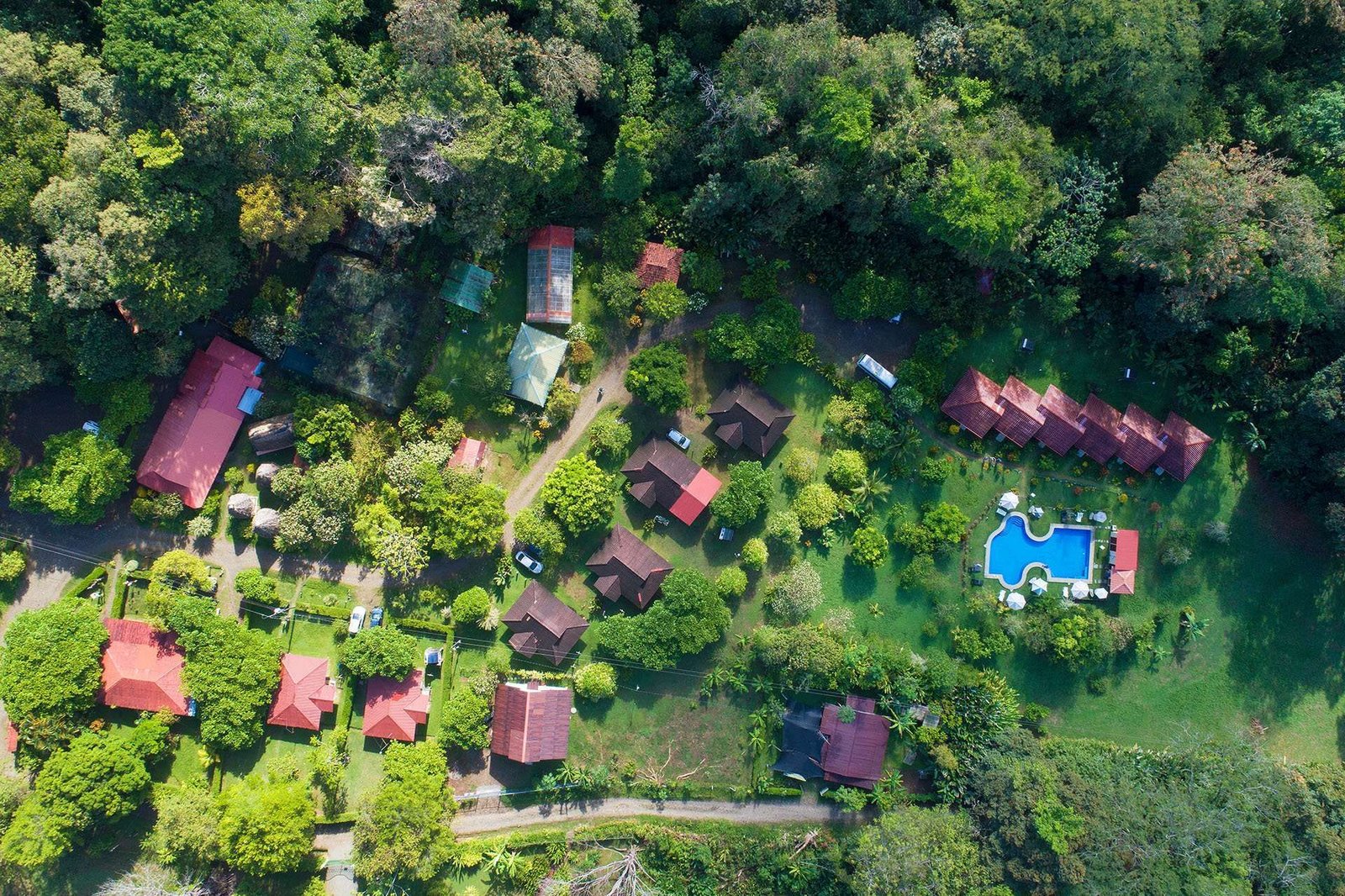
Especially the South of Costa Rica is known for its great natural beauty. Many family groups are getting together, enjoying flora and fauna of our beautiful country, yet remaining safely within their social bubbles.
Ecological tourism allows us to experience the jungle, wildlife, and ample space to enjoy worry free recreation. There are big parks and the beach for hiking, small hotels, and plenty of space.
Visit Hacienda Barú, Costa Ballena, and Osa! While you nurture your soul, we look after your health!
Our doors are open!

What to do, Where to eat and Where to stay…
South Pacific Costa Rica Beaches
Looking for business directories, maps or other printouts? We’ve got that too!
Dare to Discover and Enjoy…
Check out…
Need help planning your next trip to Costa Rica? We look forward to help you!
Email: carlos@ballenatales.com
Phone: +(506) 8946 7134 or +(506) 8914 1568
Skype: ballenatalestravel
Costa Rica Free Magazine 102 Whales Season
With our usual enthusiasm, we proudly present digital edition #102 of Ballena Tales Free Magazine.
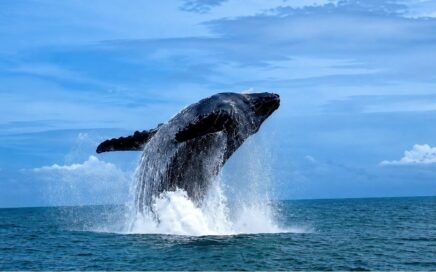
Whale and Dolphin Festival at Marino Ballena National Park
Every year, the waters of the Costa Rican Pacific come alive with the Whale and Dolphin Festival, held near Marino Ballena National Park in Uvita
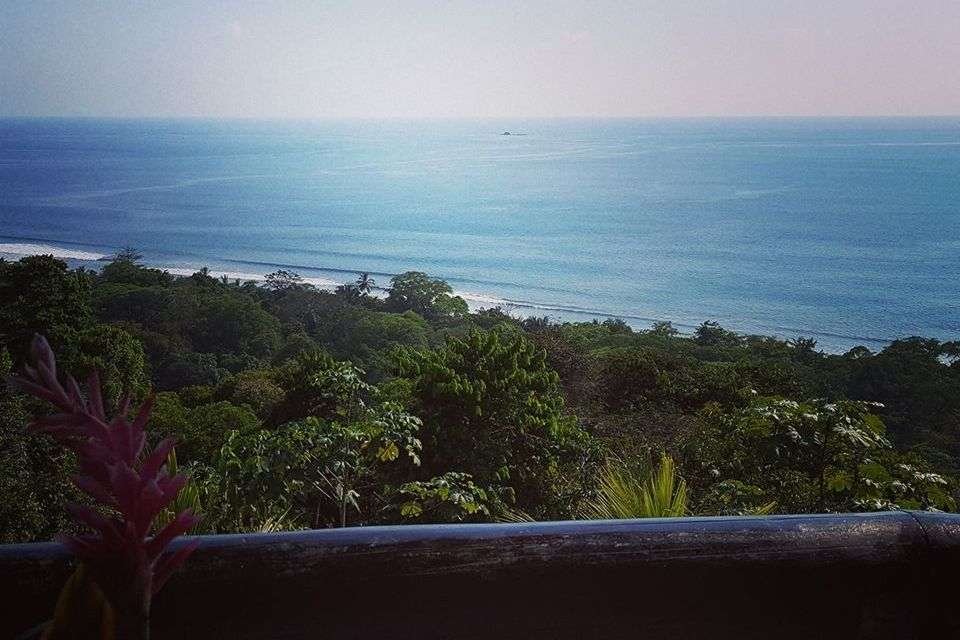
Capturing The Essence of Culture and Community on The Coast
Capturing The Essence of Culture and Community on The Coast Whether on land, undersea, or in the air, photographer Brad Dean will likely be found in full focus behind the lens of his camera. Having […]

Green and Clean Home Maintenance Inside and Out
Home maintenance requires a lot of time, and in today’s fast-paced world, the demands of professional responsibilities and family life leave little room for it.

Fractional Plasma: A Modern Approach to Skin Renewal
Fractional plasma rejuvenation uses ionized gas or plasma to deliver controlled thermal energy to the skin
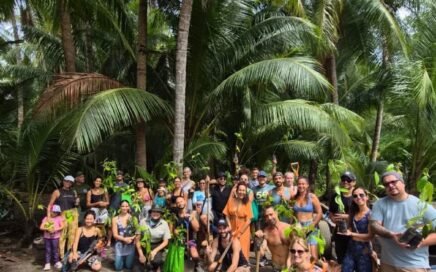
Restoring Nature with GrandiOSA
Grandiosa Costa Rica has a clear goal: to plant 4.000 trees per year. In the Osa region, such reforestation efforts occur regularly, with an average of about 100 trees planted per event