How to get to Puerto Jimenez at the Osa Peninsula Costa Rica
The city of Puerto Jimenez at the Osa Peninsula was a gold-mining center during the 70s; today, it has about 9,000 inhabitants. It is located near the entrance of Golfo Dulce, and it is the southernmost port. It is the gateway to the Corcovado National Park (reservation at the MINAE office).
In Puerto Jimenez, there is much to see and to live, and the nightlife is lively. For adventure lovers, is possible to enjoy sport fishing tours, as well as hiking, rapeling, mountain biking, kayaking tours and on the beautiful Golfo Dulce dolphin and whale watching tours (during migration seasons to the South Pacific Costa Rica). Now if you prefer a quieter relaxed holiday, you can simply sit on the beach to see the most amazing sunsets. Playa Juanito Mora is worthy of special mention.
The climate in the Osa Peninsula is tropical and humid, with temperatures up to 90 degrees Fº. The dry season goes from January to April and the wet season from October to December.
Osa has three National Parks:
Marine Ballena National Park, Corcovado National Park and Piedras Blancas National Park.How to get there
By road: From the Pan-American Highway to the south, in Chacarita turn right to Puerto Jimenez and La Palma. The paved road was recently completed.
By boat: From Golfito across the Golfo Dulce, the trip takes 1 ½ hours; it only transports people.
By bus: There are direct bus services going to Puerto Jimenz, or take the bus at Tracopa terminal (San José) to Chacarita and there a local service to get there.
By plane: Sansa and Nature Air have a direct flight; the flight-time is less than an hour.
The city was a gold-mining center during the ´70s; today, it has about 9,000 inhabitants. It is located near the entrance of Golfo Dulce, and it is the southernmost port. It is the gateway to the Corcovado National Park (reservation at the MINAE office).
The climate is tropical and humid, with temperatures up to 90 degrees Fº. The dry season goes from January to April and the wet season from October to December.
Read more about Osa Peninsula and Costa Rican South Pacific Region >>>
Download here Osa Peninsula and Costa Rican South Pacific Region bus schedules>>>
TRACOPA bus eschedules >>>
Transportes Blanco bus eschedules >>>
Bus going to Puerto Jiménez Tel. +506 2783 4293
Different modern options for the rejuvenation of the face
There are different modern options available for the rejuvenation of the face. A surgical approach involves a blepharoplasty or eyelid lift…
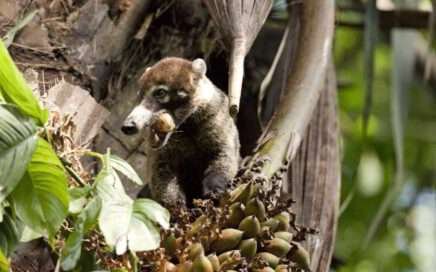
Wild Animals Have Social Bubbles
For all three of these species, the boundary defines the limits of their“Social Bubbles.” All wild animals have some form of “Social Bubbles” and seldom…

El Mercado, a Virtual Market supporting rural entrepreneurship
Supporting rural entrepreneurship el Mercado and Pointing Market joined to build a Virtual Market with home delivery.
Ballena Tales Magazine achieves the PYMES (SME) certification
Ballena Tales Magazine achieves the PYMES (SME) certification, it has positioned itself as the richest information platform for the South Pacific of Costa Rica
The call of the whales at Marino Ballena National Park
It is a bright and beautiful morning when we set off to find the namesake of the Costa Ballena. Each of the visitors on the small boat unconsciously holds their breath to be able to follow any call of the whales
OSA, LIVING WITH THE ESSENCE OF NATURE
Living with the essence of nature. If you long to be one of the lucky ones who call Osa their home, I invite you to contact my office with any questions you have about how to make this irresistible idea a possibility for you, too.
THE COMMON POTOO King of Camouflage
The Common Potoo or staking bird (Nyctibius griseus) protected by its excellent camouflage spends the day resting at low altitude, sometimes even on fence posts
THE PATH OF THE TAPIR
Living in the Path of the Tapir is not only fascinating, but it is also a special privilege that I hope we all appreciate and work to perpetuate.
NEOTROPICAL BIRD SNAKES IMPRESSIVE EGG THIEVES
You can find the neotropical bird snakes or bird-eating snakes in the Costa Ballena. They are non-venomous snakes that are active during the day