Cultural Heritage
AUTHOR: Susie Atkinson
The cultural heritage of a nation or region is not solely composed of monuments and museum collections, but also of living intangible expressions inherited from our ancestors and passed on to our descendants. The definition of intangible cultural heritage (ICH) is made up of oral traditions, performing arts, social practices, rituals and festive events, knowledge and practices concerning nature and the universe, and traditional craftsmanship knowledge and techniques.
On December 14, 2017 the indigenous Borucan and Rey Curre festival “The Dance of the Diablitos” (little devils) was indoctrinated by the National Commission of Intangible Cultural Heritage (CONAPACI) and signed by President Luis Guillermo Solis stating the festival as a hallmark of Costa Rican identity.
Melvin González Rojas (Kamel), a member of the Boruca community and of the Heritage Commission of these indigenous people commented: "Our community has many years to preserve this legacy that our grandparents left us, so it is up to us young people to pass it on to the new generations.
This declaration comes to reinforce the work we are doing, to give us strength at opportune moments, because at this moment the Dance of the Devils undergoes an important cultural change, because our older members are no longer there, we have lost them all in the last two or three years; there are already successors who until this year will take the baton of this practice as Elder Devils or leaders who undertake the tradition, so this declaration allows us to protect our culture, tradition, meals, dances and safeguard our immaterial and spiritual practices.”

The history of the Borucan ‘Diablito’ masks began over 500 hundred years ago, when created with the intent to scare the unwelcomed invaders, the Spanish conquistadors. The Borucan people were triumphant. Traditionally, the village celebrates their victory by what they call the “Danza de los Diablitos” from December 30 to January 2.
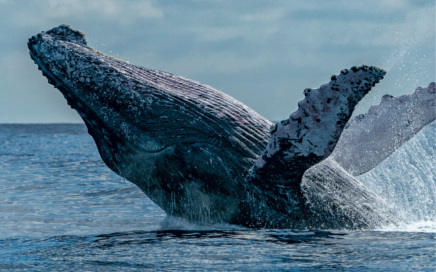
Costa Rica Free Magazine 102 Whales Season
With our usual enthusiasm, we proudly present digital edition #102 of Ballena Tales Free Magazine.

Fractional Plasma: A Modern Approach to Skin Renewal
Fractional plasma rejuvenation uses ionized gas or plasma to deliver controlled thermal energy to the skin
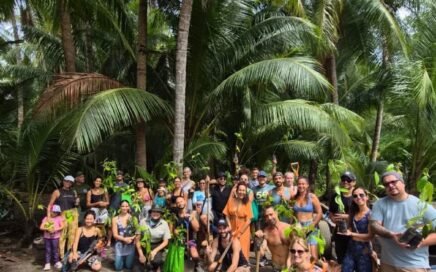
Restoring Nature with GrandiOSA
Grandiosa Costa Rica has a clear goal: to plant 4.000 trees per year. In the Osa region, such reforestation efforts occur regularly, with an average of about 100 trees planted per event

Ancestral Beauty More Than a Store, A Living Community
Located in the heart of Uvita, Ancestral is not just a boutique. A place for the community – something invisible begins to awaken.

Neuroplasticity and Migration
Neuroplasticity and Migration: The Science Behind Your Brain’s Remarkable Adaptation By Dra. Nikole Solano Vargas A Medical Perspective on What Really Happens When You Move to a New Country Have you ever stood in line […]

Biostimulators and exosomes: new strategies for skin rejuvenation
Biostimulators are injectable agents that stimulate the production of collagen and elastin, essential proteins responsible for skin structural integrity.

From gardening in Austria to gardening in paradise
From gardening in Austria to gardening in paradise Author: Elisabeth Frankel EDITORS’ NOTE: Dear readers, We are proud to include this wonderful article in this edition. Ms. Frankel contacted us to say that she had […]
Mercado Bahia Ballena: Discover Costa Rica´s Diversity
Mercado Bahia Ballena: Discover Costa Rica´s Diversity Author: Evi Heine Every Wednesday and Saturday from 8 a.m. to 1 p.m., a vibrant market takes place at El Mercado de Bahía Ballena in Uvita, offering […]
Uvita: a hidden gem
Uvita Uvita, a captivating coastal town on Costa Rica’s pristine Pacific shores, invites you to a perfect fusion of nature, adventure, and serenity. With its lush rainforests and stunning beaches, Uvita is a hidden gem […]