
Increasing Biodiversity in the Path of the Tapir Biological Corridor
Author: Jack Ewing
"Love Vine" or "Witch's Shoelaces"
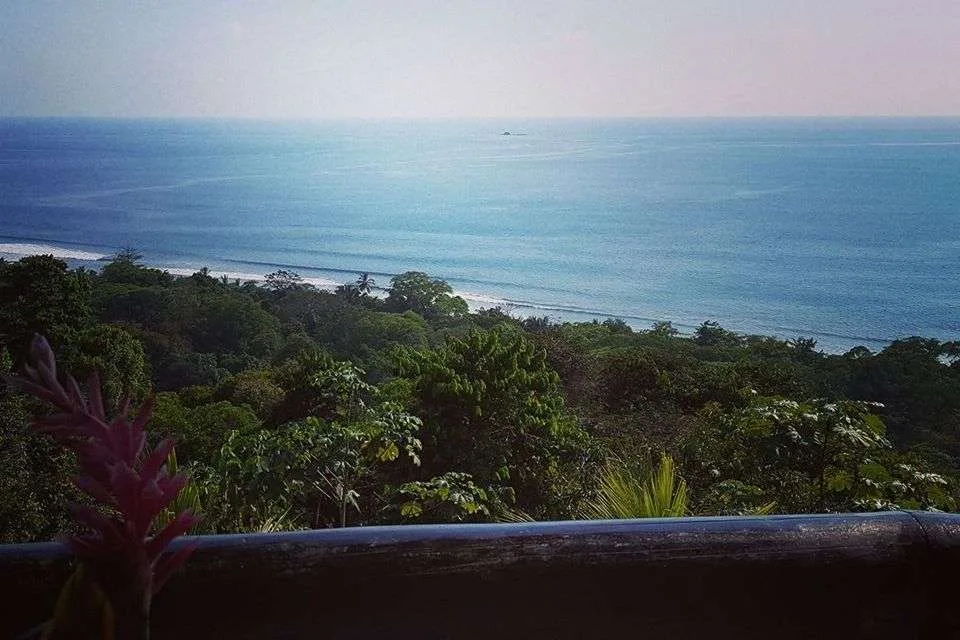
The area between the Savegre River and the Sierpe-Terraba mangrove forest, which includes the Path of the Tapir Biological Corridor, and the Costa Ballena is one of the few places on our planet where biodiversity is increasing. Many species of living beings that haven't been seen for years or ever before are frequently being sighted. I live on Hacienda Barú National Wildlife Refuge. Spider monkeys and howler monkeys disappeared from the hacienda in 1947 during an epidemic of yellow fever.
Fifty years later, in 1997, the first spider monkey was sighted since the epidemic, and a group of howler monkeys arrived sixteen years after that. Squirrel Monkeys were first seen a year after the turn of the century. The first sighting of a puma was in 2009. Scarlet Macaws, Rufous-necked wrens, Montezuma Oropendolas, and Crested guan were added to our bird list in the 2000s. These species are not new to Costa Rica, but only to this area. Nevertheless, their appearance here serves to increase our biodiversity.
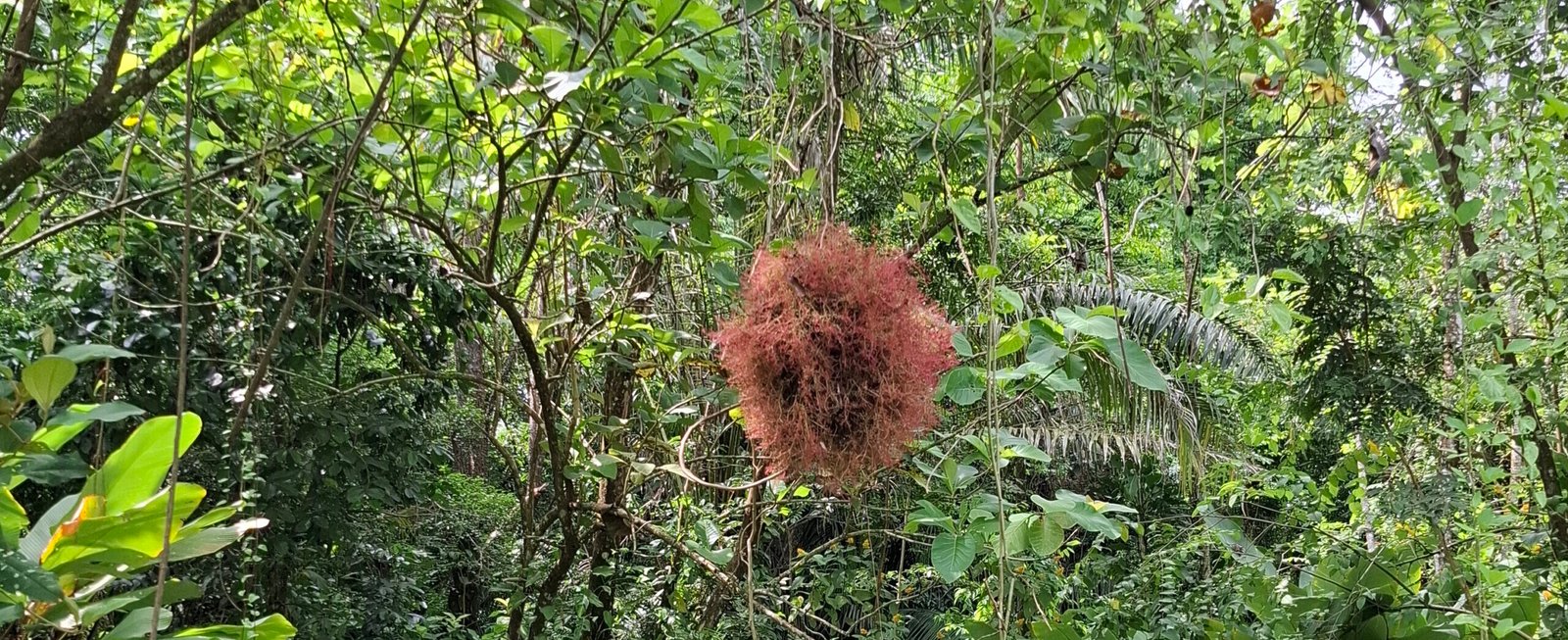
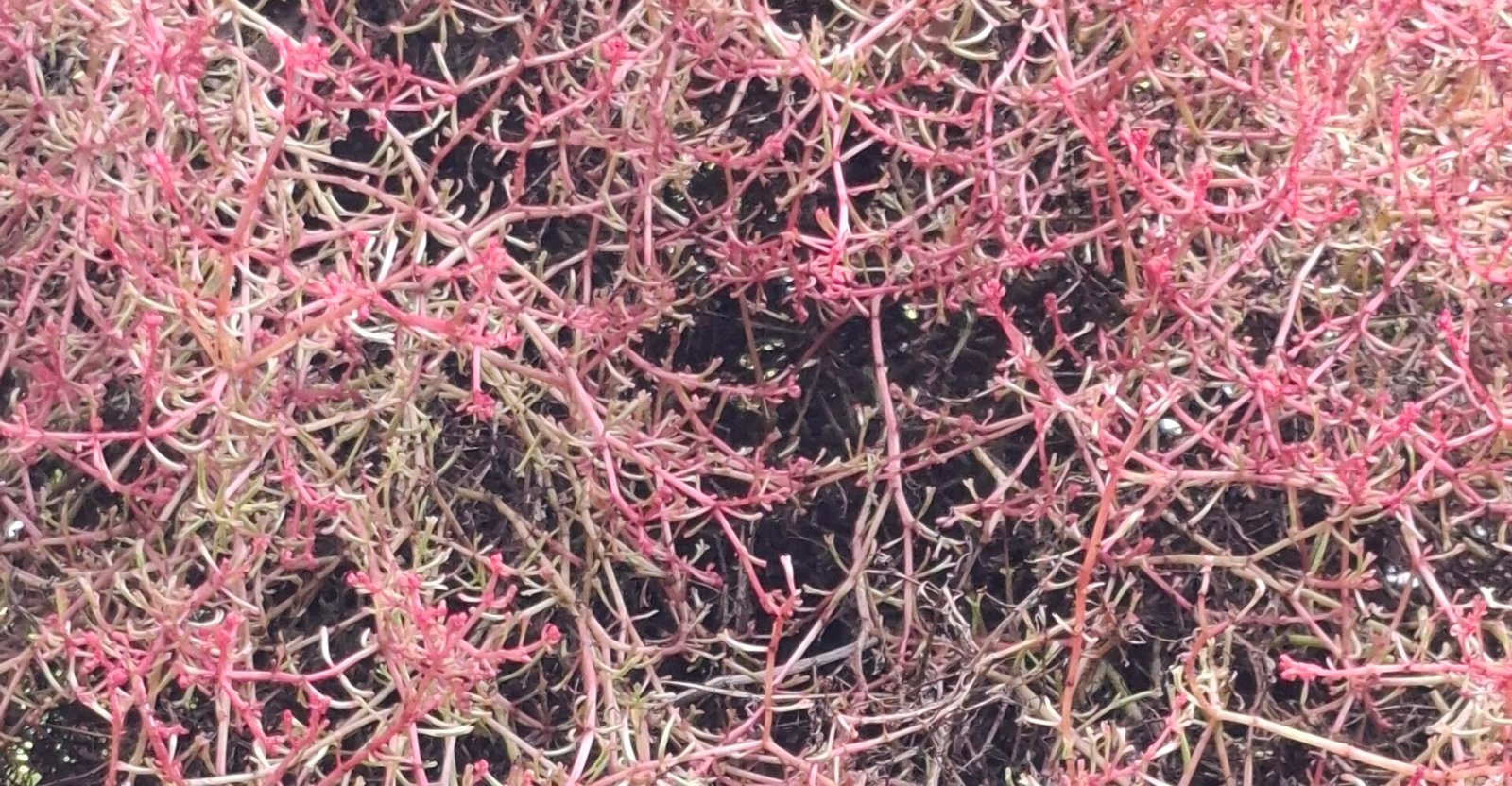
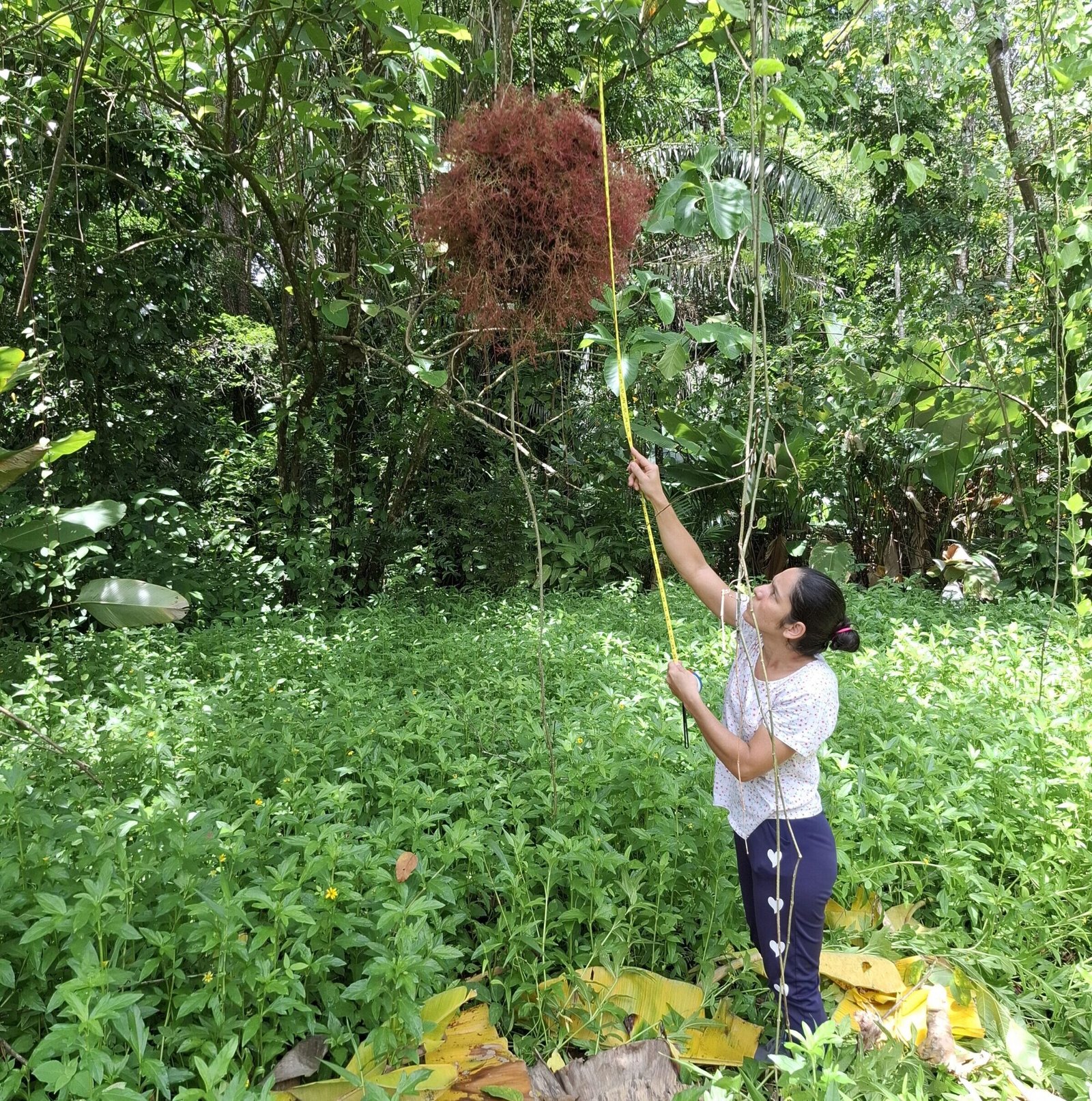
On May 13, 2025, I observed a strange, red object hanging from a thick vine in a secondary forest, approximately one-half kilometer from the beach. I sent pictures of it to two biologists, one botanist, one forester, one arborist, and three nature guides. None of them had the vaguest idea what the object was.
I posted a couple of photos on Facebook. Everyone thought it was fascinating, and one friend said it was a Cotinus coggygria. Wikipedia states that Cotinus coggygria is a bush or tree, sometimes referred to as the "Smoke Tree or Smoke Bush." The flowers resembled my mystery object, but they were much smaller and grew on a bush rather than hanging from a vine.


One local guide said he had seen one long ago but didn't know the name or anything about it. Another said it was called "witches' broom", but nobody else I have asked has heard of a plant with that name. According to my AI (CoPilot), a witches' broom is not a specific plant or fungus, but rather a deformity found in trees that a variety of factors, including fungi, bacteria, viruses, and insects, can cause. Wikipedia states that a tangle of twigs forms a deformity in a tree, but it is unclear how this can be caused by microorganisms such as those mentioned above. I doubt the red ball near my house is a witch's broom.
Another person stated that it was from the genus Cuscuta, which comprises more than 100 species. Some of them are called "Dodder". According to Wikipedia, dodder is parasitic, and some countries require a certification that any plants to be imported must be free of Cuscuta seeds. Again, the images I found of plants from this genus don't look much like my strange red ball plant, but they more closely resemble it than any other suggestions I've seen. Some common names for dodder are love vine, tangle gut, angel's hair, strangle vine, devil gut, witches' shoelaces, and others.
On my first sighting, on May 13, I estimated its size to be half again as big as a soccer ball, or around 35 centimeters in diameter. A week later, I calculated that it had grown considerably. According to my tape measure, it was now 45 centimeters.
I doubt that we have something new to contribute to science in our area of Costa Rica. Based on my current knowledge, I suspect that it is a form of dodder. I will call it "Love Vine" or "Witches' Shoelaces". Take your pick.
Ballena Tales is an essential free digital magazine in Costa Rica, valid for travelers, residents, and investors covering Costa Ballena in the Canton of Osa in the South Pacific of Costa Rica. It is a fully bilingual, bi-monthly, and full-color digital magazine.
The magazine introduces readers to the local community, featuring interviews with pioneers, writers, and artists, as well as extensive information on restaurants, hotels, experiences, natural attractions, and wildlife in Costa Rica's South Pacific region.
We are not just a magazine; each edition (print and digital) is linked to a robust web platform. The editions are published online, and the advertorials are featured in our blog, as well as in the commercial directory for the brand. We also add links to the advertising company's website and social networks. Currently, the openings of digital publications, in all their forms, exceed 80,000, and the advertised brands have a global reach.
We have a loyal audience of over 8,000 readers in the South Pacific's Costa Ballena region who will view your news in each printed edition.
We prioritize our readers' satisfaction by delivering a diverse range of engaging content that showcases the value of our advertisers' brands.
Free Costa Rica Magazine #101
Ballena Tales is an essential free digital magazine and travel guide in Costa Rica, valid for travelers, residents,
Restoring Nature with GrandiOSA
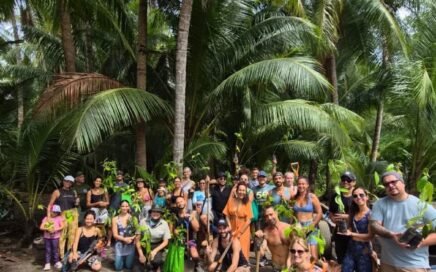
Grandiosa Costa Rica has a clear goal: to plant 4.000 trees per year. In the Osa region, such reforestation efforts occur regularly, with an average of about 100 trees planted per event

Ancestral Beauty More Than a Store, A Living Community
Located in the heart of Uvita, Ancestral is not just a boutique. A place for the community – something invisible begins to awaken.
Neuroplasticity and Migration
Neuroplasticity and Migration: The Science Behind Your Brain’s Remarkable Adaptation By Dra. Nikole Solano Vargas A Medical Perspective on What Really Happens When You Move to a New Country Have you ever stood in line […]
Biostimulators and exosomes: new strategies for skin rejuvenation
Biostimulators are injectable agents that stimulate the production of collagen and elastin, essential proteins responsible for skin structural integrity.
From gardening in Austria to gardening in paradise
From gardening in Austria to gardening in paradise Author: Elisabeth Frankel EDITORS’ NOTE: Dear readers, We are proud to include this wonderful article in this edition. Ms. Frankel contacted us to say that she had […]
Mercado Bahia Ballena: Discover Costa Rica´s Diversity
Mercado Bahia Ballena: Discover Costa Rica´s Diversity Author: Evi Heine Every Wednesday and Saturday from 8 a.m. to 1 p.m., a vibrant market takes place at El Mercado de Bahía Ballena in Uvita, offering […]
What to do, Where to eat, and Where to stay…
- Activities and Tours
- Whale Watching Tour
- Natural Attractions
- Marino Ballena National Park
- Restaurants
- Hotels and Accommodations
South Pacific Costa Rica Beaches,
Looking for business directories, maps or other printouts? We’ve got that too!
Dare to Discover and Enjoy…
Check out…
Need help planning your next trip? Let us help you with your Costa Rica vacations!
Email: carlos@ballenatales.com
Phone: +(506) 8946 7134