How to get to Puerto Jimenez at the Osa Peninsula Costa Rica
The city of Puerto Jimenez at the Osa Peninsula was a gold-mining center during the 70s; today, it has about 9,000 inhabitants. It is located near the entrance of Golfo Dulce, and it is the southernmost port. It is the gateway to the Corcovado National Park (reservation at the MINAE office).
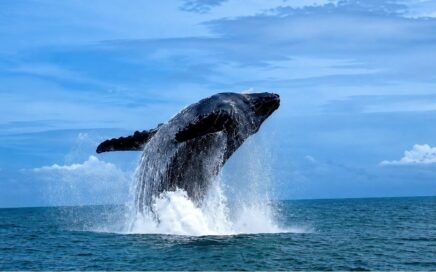
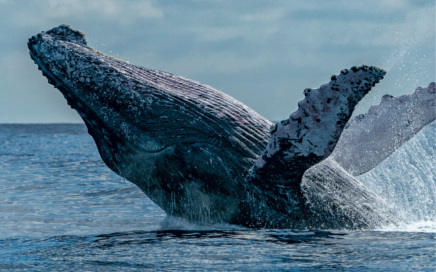
In Puerto Jimenez, there is much to see and to live, and the nightlife is lively. For adventure lovers, is possible to enjoy sport fishing tours, as well as hiking, rapeling, mountain biking, kayaking tours and on the beautiful Golfo Dulce dolphin and whale watching tours (during migration seasons to the South Pacific Costa Rica). Now if you prefer a quieter relaxed holiday, you can simply sit on the beach to see the most amazing sunsets. Playa Juanito Mora is worthy of special mention.
The climate in the Osa Peninsula is tropical and humid, with temperatures up to 90 degrees Fº. The dry season goes from January to April and the wet season from October to December.
Osa has three National Parks:
Marine Ballena National Park, Corcovado National Park and Piedras Blancas National Park.How to get there
By road: From the Pan-American Highway to the south, in Chacarita turn right to Puerto Jimenez and La Palma. The paved road was recently completed.
By boat: From Golfito across the Golfo Dulce, the trip takes 1 ½ hours; it only transports people.
By bus: There are direct bus services going to Puerto Jimenz, or take the bus at Tracopa terminal (San José) to Chacarita and there a local service to get there.
By plane: Sansa and Nature Air have a direct flight; the flight-time is less than an hour.
The city was a gold-mining center during the ´70s; today, it has about 9,000 inhabitants. It is located near the entrance of Golfo Dulce, and it is the southernmost port. It is the gateway to the Corcovado National Park (reservation at the MINAE office).
The climate is tropical and humid, with temperatures up to 90 degrees Fº. The dry season goes from January to April and the wet season from October to December.
Read more about Osa Peninsula and Costa Rican South Pacific Region >>>
Download here Osa Peninsula and Costa Rican South Pacific Region bus schedules>>>
TRACOPA bus eschedules >>>
Transportes Blanco bus eschedules >>>
Bus going to Puerto Jiménez Tel. +506 2783 4293
Free Costa Rica Magazine #101
Ballena Tales is an essential free digital magazine and travel guide in Costa Rica, valid for travelers, residents,
Weekly Pause Ancestral Beauty
I am sitting in the Ancestral Beauty Boutique on a coarsely woven carpet, surrounded by scattered pens, paper, and small wreaths of leaves and flowers.
Elevated Luxury Homes DESIGNED FOR LIFE IN COSTA RICA
Elevated Luxury Homes DESIGNED FOR LIFE IN COSTA RICA Text adapted: Carlos Leon Whether you seek a modern retreat, a custom luxury villa, or your forever home, we are the Costa Rica home builder committed […]
Debunking myths about Costa Rica’s South Pacific destination
There is false information circulating that suggests the South Pacific Costa Rica is an expensive destination
Beach Clean Up in Uvita: Community Spirit in Action at Marino Ballena National Park
Beach Clean Up in Uvita Community Spirit in Action at Marino Ballena National Park Author: Sophie Schindler
Costa Rica’s First 100% Gluten-Free Gourmet Restaurant
Costa Rica’s First 100% Gluten-Free Gourmet Restaurant La Palapa Restaurant: Indulgence Without Compromise Travelers come to Costa Rica seeking nature, adventure – and memorable dining. At Cuna del Ángel, a boutique hotel nestled in the […]
Adventure Begins Where Comfort Ends: Our Rain-Soaked Snorkeling Tour to Caño Island
What I Learned from Traveling in the Rain or Why a Plastic Cape Can Teach Humility Our Snorkeling Tour to Caño Island
Busting Myths About Costa Rica Destination, Free Costa Rica Magazine #99
We’ve recently seen misinformation circulating suggesting that Costa Rica is an expensive destination.
Increasing Biodiversity in the Path of the Tapir Biological Corridor
The area including the Path of the Tapir Biological Corridor in Costa Rica, is one of the few places with increasing biodiversity.