How to get to Puerto Jimenez at the Osa Peninsula Costa Rica
The city of Puerto Jimenez at the Osa Peninsula was a gold-mining center during the 70s; today, it has about 9,000 inhabitants. It is located near the entrance of Golfo Dulce, and it is the southernmost port. It is the gateway to the Corcovado National Park (reservation at the MINAE office).
In Puerto Jimenez, there is much to see and to live, and the nightlife is lively. For adventure lovers, is possible to enjoy sport fishing tours, as well as hiking, rapeling, mountain biking, kayaking tours and on the beautiful Golfo Dulce dolphin and whale watching tours (during migration seasons to the South Pacific Costa Rica). Now if you prefer a quieter relaxed holiday, you can simply sit on the beach to see the most amazing sunsets. Playa Juanito Mora is worthy of special mention.
The climate in the Osa Peninsula is tropical and humid, with temperatures up to 90 degrees Fº. The dry season goes from January to April and the wet season from October to December.
Osa has three National Parks:
Marine Ballena National Park, Corcovado National Park and Piedras Blancas National Park.How to get there
By road: From the Pan-American Highway to the south, in Chacarita turn right to Puerto Jimenez and La Palma. The paved road was recently completed.
By boat: From Golfito across the Golfo Dulce, the trip takes 1 ½ hours; it only transports people.
By bus: There are direct bus services going to Puerto Jimenz, or take the bus at Tracopa terminal (San José) to Chacarita and there a local service to get there.
By plane: Sansa and Nature Air have a direct flight; the flight-time is less than an hour.
The city was a gold-mining center during the ´70s; today, it has about 9,000 inhabitants. It is located near the entrance of Golfo Dulce, and it is the southernmost port. It is the gateway to the Corcovado National Park (reservation at the MINAE office).
The climate is tropical and humid, with temperatures up to 90 degrees Fº. The dry season goes from January to April and the wet season from October to December.
Read more about Osa Peninsula and Costa Rican South Pacific Region >>>
Download here Osa Peninsula and Costa Rican South Pacific Region bus schedules>>>
TRACOPA bus eschedules >>>
Transportes Blanco bus eschedules >>>
Bus going to Puerto Jiménez Tel. +506 2783 4293
Vultures
In Costa Rica, we can find four different kinds of vultures. The famous Black vulture, the Turkey vulture, the King vulture and the Yellow-lesser vulture.
Surf Board Shapers
Surf Board Shapers ~ by Trevor Brown Thousands of people coming from all regions of the country for contests and events have made surfing one of Costa Rica’s most popular sports. However, surfing is much more than […]
Meaningful Experiences in Nature
If you ask a group of nature lovers if they have experienced memorable events in the presence of a plant, an animal, or an ecosystem, there is a good chance, they will tell you they […]
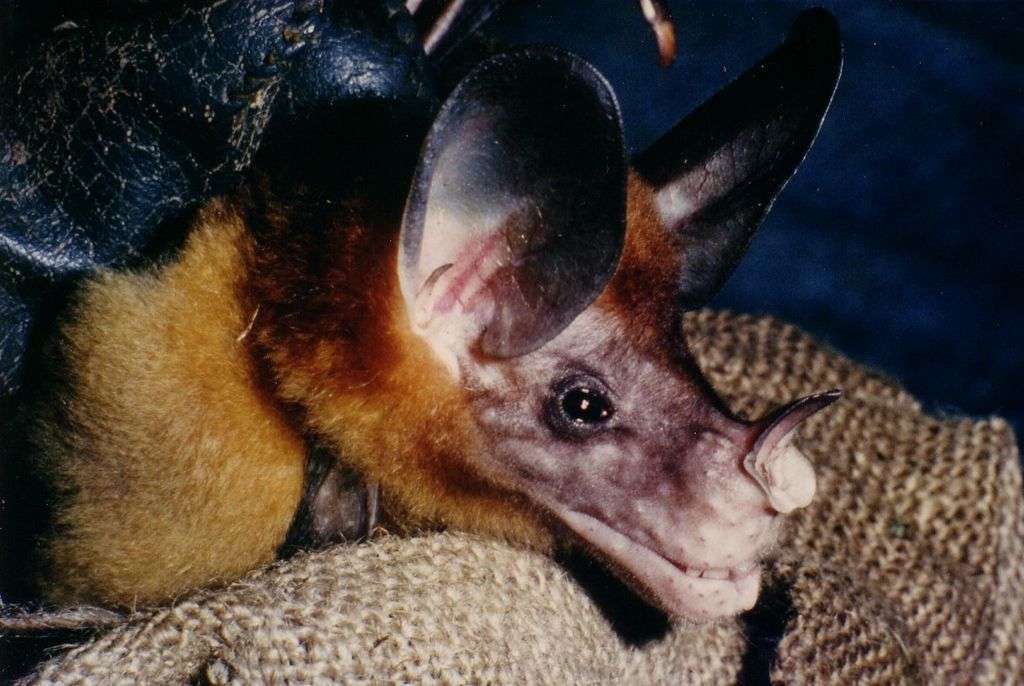
FLYING MAMMALS ~ Biodiversity Among Bats
~ by Jack EwingAs a kid growing up in Colorado I remember catching glimpses of dark forms darting back and forth across the summer sky. “Those are bats,” commented my dad. “They eat insects.” Many years later, living at […]
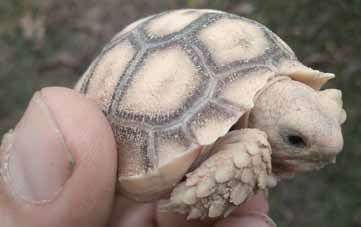
The Gentle Giants of Parque Reptilandia
~ by Roel de PleckerParque Reptilandia is home to a big variety of native and exotic species. One of these exotic species is our African spurred tortoises (Centrochelys sulcata). They are Africa’s largest mainland tortoises with a carapace length […]
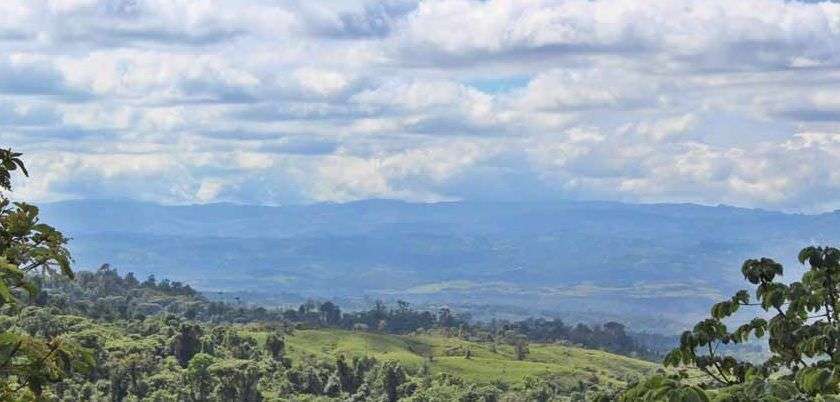
The Talamanca Range: a wall and a protective sanctuary
~ by Luis Gutiérrez Galera Christened with a Spanish name, the Talamanca Range was praised as a highly religious site by Costa Rican indigenous people such as the Bribri and Cabécar, who had lived there for a […]
The Golden Tennis Ball
The Silky Anteater, the golden tennis ball at Hacienda Baru By Jack Ewing Photos by Jack Ewing We started a list of species for Hacienda Barú and the surrounding areas in 1987. By 1994, all […]
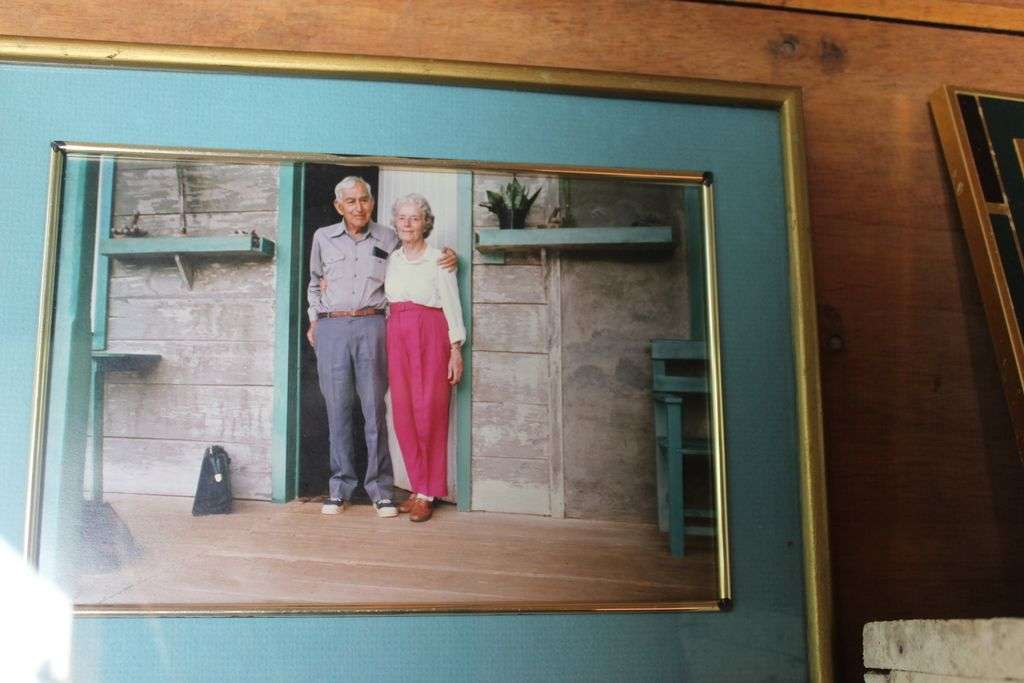
Alexander Skutch, birds and much more
~ by Susana GarcíaAlexander Skutch was the most famous Neotropical ornithologist of the 20th century. After traveling to many Central and South American countries, he settled on a farm in Santa Elena de General that he called Los Cusingos. Here […]
Interview with a Biologist Specialized in Birds
~ by Dagmar ReinhardWhat’s your occupation, Susana? — “I’m a biologist specialized in zoology.” Are you a specialist in birds? — “Yes. I carry out censuses and monitoring; I develop workshops for specialized guides and others for the public, and […]